
A slow travel guide to Britain's quieter seaside towns
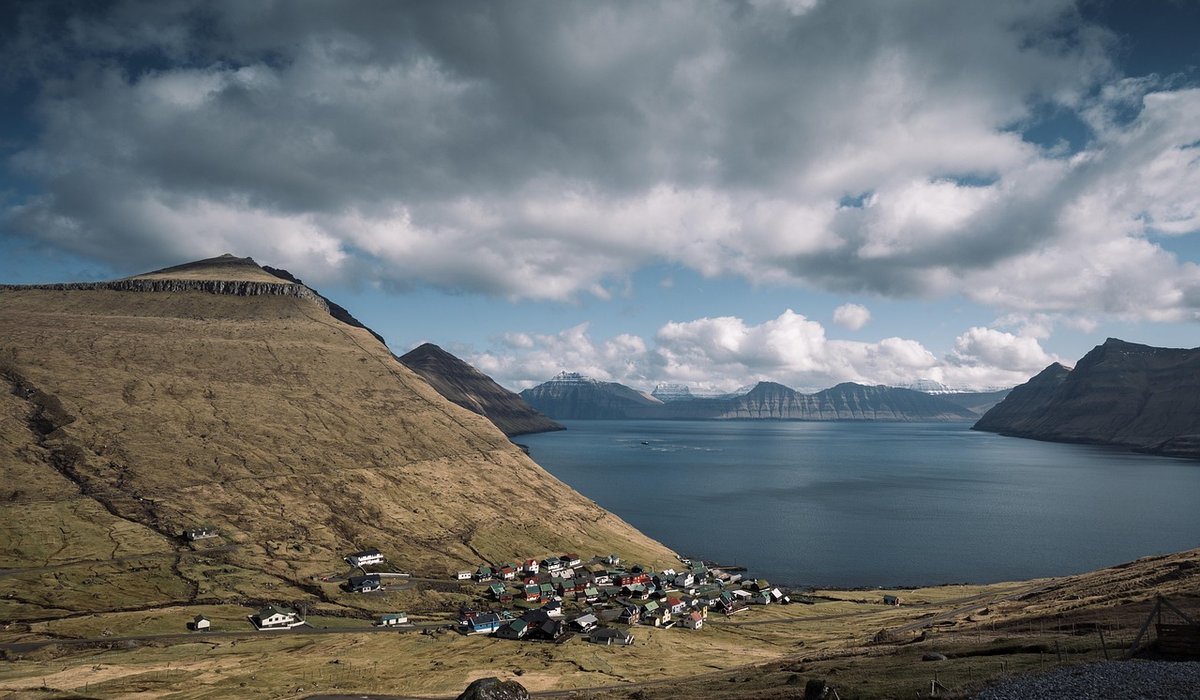
Britain has hundreds of miles of coastline, yet most of us gravitate to the same handful of resorts each summer. The result is crowded promenades, booked-out car parks and a slightly frantic feeling that holidays are meant to be endured rather than enjoyed. The alternative is to head for the smaller coastal communities — places with a proper high street, a pebble beach that never fills up, and a pace of life that encourages you to sit still for an hour with a flask and a paperback.
Why smaller seaside towns suit slow travel
Quieter coastal towns tend to be compact, which means you can arrive by train, walk everywhere and leave the car behind. They usually have a genuine year-round population rather than a seasonal one, so the bakery, the hardware shop and the pub are open in February as well as August. That matters if you want to eat well, chat to someone who actually lives there, and understand what the place is like when the visitors go home.
They are also cheap to enjoy. A slow day might be a swim before breakfast, a wander along the promenade, a browse through a secondhand bookshop, a late lunch of locally smoked fish, and an evening sitting on a sea wall watching the light change. Nothing on that list costs more than a few pounds.
The East: shingle, salt marsh and genteel promenades
The East Anglian coast is the connoisseur's choice for quiet. Aldeburgh in Suffolk has a long shingle beach backed by colourful beach huts, a high street full of independent shops, and a famous fish and chip kiosk where the queue is part of the experience. Walk north along the shore towards Thorpeness and you will pass almost nobody.
Southwold is a little smarter, with a proper pier, a working lighthouse in the middle of town and a sandy beach that shelves gently. Nearby Walberswick is even sleepier — reach it by rowing boat across the harbour in summer.
Further north, Sheringham and Cromer in Norfolk both reward a lingering stay. Cromer has a fine Victorian pier and a clifftop path towards Overstrand; Sheringham has a steam railway, a small museum and a beach that is gloriously empty on weekday mornings out of season.
The South: understated towns with Regency bones
Deal in Kent is often overlooked in favour of nearby Broadstairs, which is exactly why it works. It has a pebble beach, a restored pier, a conservation area of Georgian houses and a growing cluster of independent cafés and antiques dealers. The walk south towards Walmer Castle is flat, easy and rarely crowded.
Bexhill-on-Sea in East Sussex is the archetype of the genteel promenade. Its De La Warr Pavilion sits right on the seafront, the beach is shingle with good swimming, and the town behind it is pleasantly unhurried. Combine it with a day in Hastings old town if you want a bit more bustle, or push west to Seaford for chalk cliffs without the Brighton crowds.
Wales and the West: harbour walls and estuary light
Aberaeron on the Ceredigion coast is one of the prettiest small towns in Wales, with a horseshoe harbour, pastel-painted houses and a river mouth where you can watch the tide slide in over the mudflats. The coast path north towards New Quay offers cliff walking with dolphins sometimes visible offshore.
In Pembrokeshire, Solva is a tiny harbour village with a tidal inlet, a couple of excellent pubs and easy access to the coastal path. In Devon, Appledore at the mouth of the Taw and Torridge has narrow streets, a maritime museum and a ferry across to Instow — a lovely, low-effort day out.
Scotland and the North: big skies, small towns
North Berwick, half an hour by train from Edinburgh, has two beaches, a harbour, a seabird centre and views to the Bass Rock. It is a proper town rather than a resort, which keeps it civilised even in July.
Further north, Nairn on the Moray Firth offers long, clean beaches, a dolphin-watching spot at Chanonry Point nearby, and a mild microclimate that catches visitors by surprise. On the Aberdeenshire coast, Cullen is small, friendly and famous for its Cullen skink — worth the detour alone. In Northumberland, Alnmouth has a wide estuary beach, a handful of pubs and a links golf course, with Alnwick a short bus ride away.
Practical notes for a slower visit
- Time it right. Late May, June and September give you decent weather, open businesses and far fewer people. Many small towns effectively shut on Sundays and bank holidays, so check opening hours before you travel.
- Check the tides. Estuary and harbour towns change character completely between high and low water, and some beaches lose their sand altogether. Tide tables are free online and in local shops.
- Pack for the beach you will actually find. Shingle is common and hard on bare feet, so bring sandals or old trainers as well as flip-flops. A windbreak and a waterproof are never wasted.
- Use the train where you can. Lines to Cromer, Sheringham, Deal, Bexhill, North Berwick and Nairn make car-free trips genuinely easy. Elsewhere, parking is usually cheap out of season but fills by mid-morning in August.
- Eat local and early. Small kitchens run out. Book ahead for dinner, and if a place looks shut, ask — the pub round the corner often serves food until nine.
- Spend in the high street. Buying a loaf, a book or a pint from an independent business is the most direct way to keep these towns worth visiting.
The joy of the quieter coast is that it asks very little of you. Turn up, walk a bit, swim if you dare, and let the tide set the schedule. You will come home rested rather than needing another holiday to recover.


Head to responsible viewing spots around the coast, keeping a safe distance while learning how seasonal habits shape the best times to visit.
Learn which seaweeds are safe to forage, how to dry them at home and simple ways to add briny depth to soups, breads and salads.
Windbreaks, layers and tide timetables make all the difference on British shores, so prepare for sun, showers and sudden sea breezes.
Discover Neolithic monuments, burial cairns and Iron Age forts that reveal how early communities marked time, territory and the turning seasons.