
Discovering smugglers' coves and maritime legends
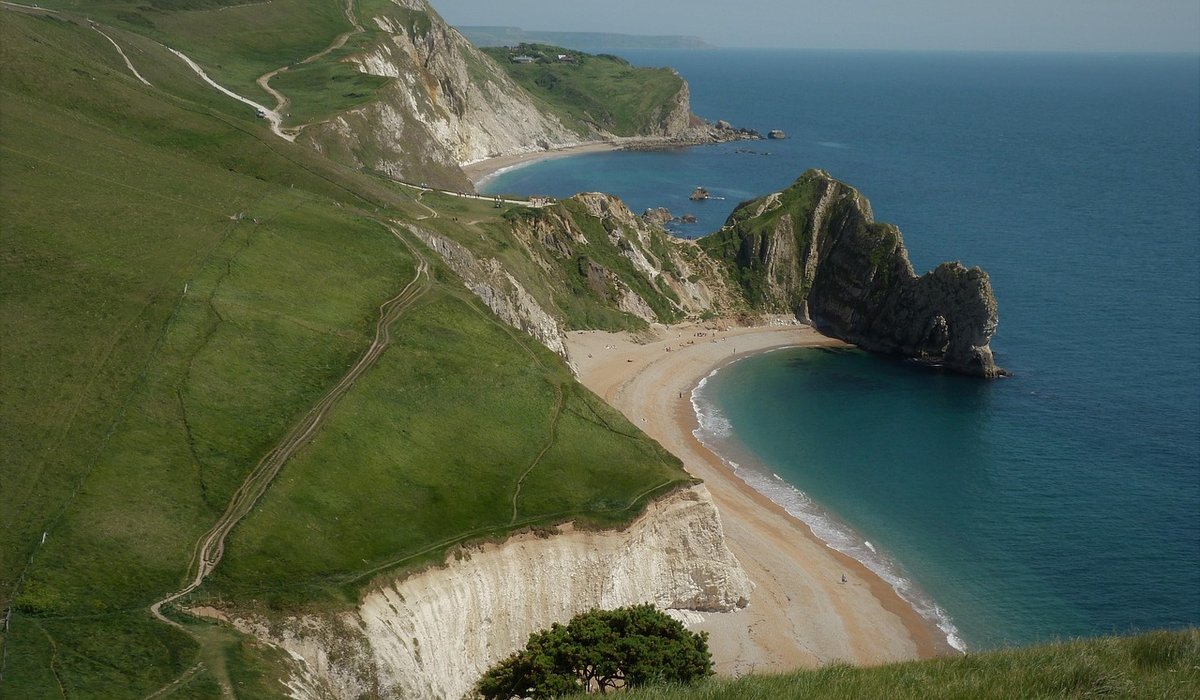
Myth, memory and the paper trail
Ask anyone to picture the British coast at its most romantic and you will usually get the same scene: a moonless night, a rowing boat nosing into a shingle cove, lanterns winking from the cliff path, kegs of brandy swinging up to a waiting cellar. It is a wonderful image, and it has been polished by two centuries of novels, folk songs and television. The trouble is that the romance is often a fog in its own right, hiding a trade that was hard, commercial and extremely well documented.
Between roughly 1650 and 1850, smuggling was one of the largest industries on the coast. Tea, gin, brandy, tobacco, silk and lace came in; wool, in the early years, went out. Because the state was losing serious money, it kept serious records. Customs letter books, excise prosecutions, coroners' inquests, depositions taken before magistrates and indignant local newspapers all survive, and they are the best antidote to the legends. The trick is to enjoy the stories and then check what someone actually wrote down.
Reading a coast built on contraband
Whole stretches of shoreline make sense once you understand the trade. The Romney Marsh "Owlers" ran wool across to France in the seventeenth century, giving the region its distinctive network of sheep tracks and remote churches. A century later the great Kent and Sussex gangs moved tea and spirits in enormous quantities, using isolated inns and farm buildings as staging posts and inland droves as distribution routes.
In Cornwall and Devon, the geography did half the work. Deep wooded valleys, known locally as combes, gave cover down to the water, and villages such as Polperro, Looe, Cawsand and Beer built reputations to match their harbours. At Beer, the quarry caves above the beach were famously handy for storage. In North Yorkshire, Robin Hood's Bay is a textbook example of a settlement designed for quick exits: a labyrinth of narrow alleys, houses with back doors opening onto the cliff path, and a whole village that could see a revenue cutter coming from a mile away.
The Isle of Man deserves a chapter of its own. Before the island's customs privileges were wound up in the 1760s, it operated as a free port, and afterwards the "running" trade boomed precisely because the old habits did not disappear overnight.
Cellars, bolt holes and the buildings that survive
Much of the physical evidence is still around you, if you know what to look for. In old harbour-side inns and farmhouses, notice blocked-up stairways, bricked-in alcoves beside chimneys, unusually deep cellars with their own outside entrances, trapdoors under flagstones and lofts that can only be reached by ladder. A building with two front doors on different levels was often built that way for a reason.
- Watch houses and signal stations: plain, sturdy buildings on headlands, many dating from the coastguard expansion of the 1820s and 1830s.
- Coastguard cottages: usually in terraces on the cliff edge, built to put men and their families within sight of the sea.
- Net lofts and cellars: often reused for contraband, sometimes with hidden compartments behind the timber lining.
- Local museums: the small, volunteer-run ones are usually the best, displaying seized goods, ledgers and the odd bribe ledger.
Wreckers: separating cruelty from salvage
The wreckers of popular imagination stand on cliffs with false lights, luring ships onto the rocks for plunder. The image is powerful and almost certainly overstated. Deliberately luring a vessel aground was a hanging offence, and prosecutions are vanishingly rare in the records compared with cases of something far more mundane: plundering cargo from a ship that had already foundered.
That plunder was real, common and often grim. Coastal communities had customary claims on wreck, and the law of the sea was tangled and slow to enforce. When a laden vessel broke up on the Goodwin Sands, off the Isles of Scilly or along the Cornish coast, the race to the beach was about survival as much as greed — a barrel of brandy could feed a family for a season. What the Victorians added was the moral horror, blending smuggling and wrecking into a single villainous coastal character. Remember, too, that the same communities supplied the crews who rowed out to rescue strangers, and later manned the lifeboats and rocket brigades.
On the ground: how to plan the trip
You do not need a boat to follow the story. Most of the great smuggling coast is walkable, and the details reward slow travel.
- Walk a section of the South West Coast Path around Polperro, Looe or Cawsand, and take the ferry between them where it runs.
- Follow the Cleveland Way into Robin Hood's Bay and stay overnight in the old village rather than the top of the bank.
- Take a ferry to the Isle of Man or the Isles of Scilly and pick up a guided heritage walk; local guides know which cellar belongs to which story.
- Check tide tables before exploring any cove, and never assume a beach or path stays accessible for long.
- Visit out of season where you can; the coves are quieter, and volunteer museums often open by arrangement.
Where the surviving records live
If a story has hooked you, follow it into the archive. National and county record offices hold customs and excise papers, quarter sessions rolls and depositions, while local studies libraries keep parish registers that sometimes note a drowned sailor found on the rocks. Historic maps are just as useful: Ordnance Survey sheets labelled "Smugglers' Cove" or "Wreckers' Point" are a mixed bag, some recalling genuine local memory, others invented for Victorian tourists. Cross-checking a name against a court case or a newspaper report usually settles which is which.
Go expecting nothing more dramatic than a ledger entry, and you will be surprised how often the coast gives you the rest: a dark lane between hedges, a chine cutting to the sea, a cellar door that opens onto the harbour at high water. The romance is in the landscape. The truth, as so often, is in the paperwork.


Use windbreaks, hardy varieties and raised beds to cultivate herbs, kale and berries in exposed coastal plots with thin, free-draining soil.
Track sunrise and sunset angles, weather fronts and tide times to capture dramatic skies, reflective sands and moody cliffs throughout the year.
Find promenade routes, beach wheelchairs and level paths that make coastal scenery enjoyable for visitors with limited mobility or pushchairs.
Explore tales passed down in fishing villages, from selkie legends to giant causeways, and the real landscapes that inspired them.