
Planning a car-free island escape by train
Why a car-free island escape works so well
Some of the most satisfying arrivals in Britain happen on foot. You step off a train, wheel your case along a platform, cross a road and there is the pier: gulls, diesel, a strip of water and an island on the other side. No boot to unload, no queue for the car deck, no hunting for a parking space that does not exist in the village you are heading to.
Going car-free also changes the shape of the trip. You notice the coast rather than a windscreen, you talk to people on the bus, and you end up in the pub because it is the obvious place to wait for the next connection. The trade-off is planning. Rail timetables, ferry timetables and island bus timetables need to agree with each other, at least roughly, and you should build in slack for the days when the wind has other ideas.
Matching rail stations to ferry terminals
Britain has a handful of genuinely seamless rail-to-sea junctions, where the walk between train and boat takes under five minutes. Knowing which ones they are saves a lot of anxiety with luggage.
- Pier-side stations such as Lymington Pier, Portsmouth Harbour, Wemyss Bay, Ardrossan Harbour, Mallaig, Kyle of Lochalsh, Holyhead, Fishguard Harbour and Heysham Port put you almost on the quay. Some are covered, some involve a short, signed walk.
- Town-centre stations such as Oban, Penzance and Thurso are a few minutes from the terminal by foot, taxi or a connecting local bus. Oban is an easy stroll; Thurso to Scrabster is a short taxi or bus ride.
- Rail-plus-bus hops cover the rest. A branch-line train or a seasonal bus link often meets the ferry, especially in the Highlands and on the islands themselves.
- Check the last connection, not the first. The awkward leg is almost always the evening bus or the Sunday service, not the daytime train.
Booking foot passenger tickets the right way
Foot passengers are the cheapest people on any ferry, and often the least organised. A little admin pays off.
- Ask for a through or combined fare where it exists. Several routes sell a single ticket covering train and ferry, which protects you if the train is delayed and can work out cheaper than two separate bookings.
- Reserve your train seat on longer journeys, particularly Friday evenings and summer Saturdays, when coastal services fill with luggage and bikes.
- Book the ferry separately if you must, and read the foot passenger check-in time. It is usually 15 to 30 minutes before departure, but some ports want longer.
- Keep everything offline. Save tickets as screenshots and carry a printed copy for the one moment your phone has no signal, which will be the moment you need it.
- Note the name on the booking. Foot passenger tickets are often non-transferable, so use the name on the ID you are actually carrying.
Local buses, bikes and the last few miles
Island bus networks are usually better than their reputation suggests, and many are timed to meet incoming ferries. What they are not is frequent in the evening, and Sunday services can be almost theoretical outside the summer.
- Grab a day or weekly ticket on arrival. On smaller islands it is often excellent value and removes the need for exact change.
- Learn the request stop. Outside towns you may need to put an arm out, and you will need to tell the driver where you want to get off.
- Bikes travel free on many ferries but spaces on trains and island buses are limited, especially in July and August. Hire on the island if you can.
- Walk the last mile or two. Beaches, cliff paths and hill trails are frequently closer to the bus stop than the map suggests.
Timing, weather and the two-ferry trap
Island travel rewards a slower itinerary. The classic mistake is trying to cross two stretches of water in one day and catch a train afterwards. If the first ferry is delayed by weather, the rest of the plan unravels, and compensation does not get you to a bed for the night.
Book accommodation within walking distance of the ferry terminal on your first night. Aim to travel earlier in the day than strictly necessary. In winter, check for reduced timetables before you book anything non-refundable, and ask about disruption the evening before you sail, not on the morning itself. If a crossing is cancelled, the quickest route is usually to be flexible about which port you use rather than which day you travel.
Packing light and settling into island time
One rucksack or a small wheeled case is the target. You will be lifting it onto buses, up gangways and along lanes with no pavement. Bring waterproofs rather than an umbrella, layers rather than a heavy coat, and a small padlock if your accommodation has a drying shed or bike store. Some rural buses and honesty boxes still prefer cash.
Then do the thing that makes the whole trip worthwhile: find the village pub, order something local, and ask the person behind the bar which beach the islanders actually use. That conversation is worth more than any timetable, and it is the reason travelling without a car puts you exactly where you want to be.


Meet growers, bakers and cheesemakers at weekly markets, and learn which seasonal ingredients deserve space in your holiday kitchen.
Interpret shipping forecasts, wind warnings and swell charts before setting out, and know when to change plans for a sheltered inland day.
From ferry timings to village pubs, this practical guide helps you build a relaxed weekend itinerary without missing the island's best coastal views.
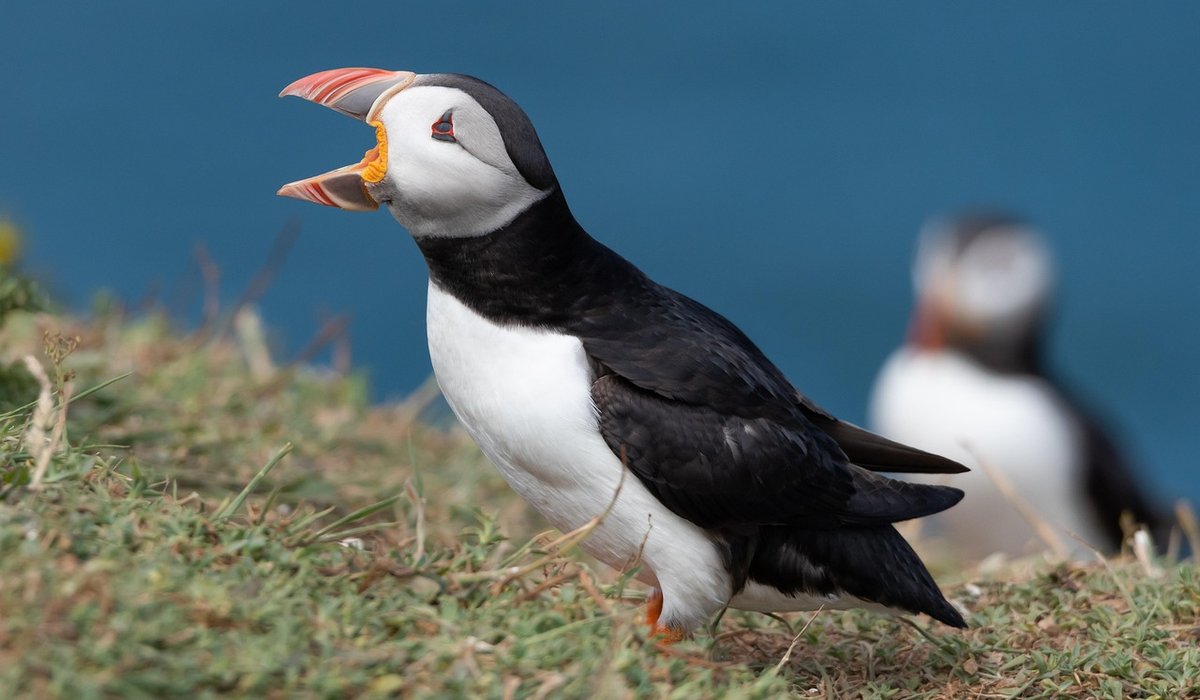
Follow clifftop paths where nesting gulls, fulmars and puffins gather, with tips on timing your walk to avoid disturbing sensitive colonies.