
Tide pooling for beginners: a rocky shore guide
Start with the tide table, not the rock pool
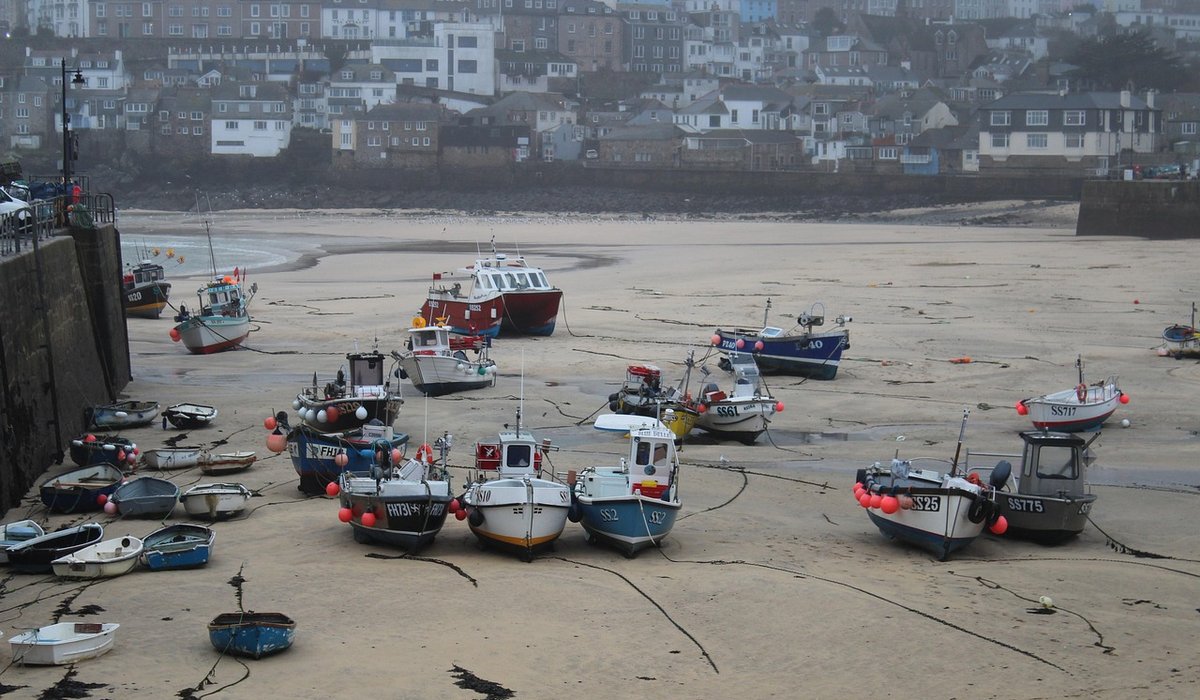
Many beginners head straight for the rocks at low tide and wonder why the pools are already draining, or why the waves are creeping back. The secret is a simple tide table. It tells you the time of high and low water for a specific location. In the UK, you can find one for most harbours and piers – printed in local newsagents, posted at the harbour office, or available from a trusted maritime source. Look for the day’s low water time, then plan to arrive at the shore about an hour before low water. That gives you a safe window as the tide pulls back and exposes the pools. You must leave before the tide turns and starts to fill the gullies again.
Spring tides (around new and full moon) have lower low waters and higher high waters. Neap tides (around the quarter moons) are gentler. For tide pooling, spring low tides are best because more shore is exposed. But they also mean the tide comes back faster. Check the weather, too: a strong onshore wind can push water higher than predicted.
Low tide is a moving window, not a fixed hour
The tide doesn’t stop at low water; it turns and starts to rise. That’s why you should never let the sea get between you and your exit route. A few simple habits keep you safe on UK islands and coastal shores.
- Arrive an hour before low water. That gives you time to explore as the tide is still going out.
- Watch the water’s edge. If it starts to creep back up a gully, it’s time to leave.
- Pick a shore with an easy path back to higher ground. Sandy beaches with rocky outcrops are safer than remote headlands.
- Tell someone where you’re going and when you’ll be back. Mobile phone signal can be patchy on islands.
On exposed coasts, the tide can move surprisingly fast, especially around headlands. A pool that was ankle-deep ten minutes ago can be knee-deep before you notice. Keep an eye on the sea, not just the rock pool.
A gentle approach: hands, eyes and wellies
You don’t need much kit. A bucket is useful for temporary observation, but only if you keep it in the shade and return everything within a few minutes. Better still, leave the bucket at home and use a clear plastic tub or just your hands. The aim is to watch, not to collect.
- Wear wellies or old trainers with grip. Wet seaweed is slippery.
- Use your hands, not a net. Nets can damage delicate animals and tangle in weed.
- Never pry an animal off a rock. Anemones and limpets clamp down hard; forcing them off tears their bodies.
- If you turn a rock to look underneath, put it back exactly as you found it. That dark, damp underside is a home.
- Keep your shadow off the pool. A sudden shadow can make crabs and fish dart away.
Approach a pool slowly. Stand still for a minute and let the residents get used to you. You’ll see more that way. Keep your hands wet if you touch anything, and never lift a creature clear of the water for longer than a few seconds.
Reading the pools: anemones, crabs and starfish
Now the fun part. In shallow UK rock pools, look for three classic characters.
Anemones look like soft, gelatinous flowers. The beadlet anemone is common – a red or brown blob that opens into a ring of tentacles when submerged. The snakelocks anemone is green with purple-tipped tentacles and often clings to seaweed. Don’t poke your finger into an anemone’s mouth; it will sting (mildly for most people, but still). Just watch.
Crabs are masters of hide-and-seek. The common shore crab has a square-ish shell and greenish-brown legs. You’ll often find juveniles under stones or in crevices. Velvet swimming crabs are blue-ish with red eyes and a velvet texture – they can be aggressive, so admire from a distance. Never pick a crab up by its claws or legs. If you must move one, use a flat hand to encourage it into a container, then release it exactly where you found it.
Starfish (more correctly sea stars) are slow-moving and fragile. The common starfish is orange or red with five arms. You might find one on the side of a pool or under a ledge. Never lift a starfish out of water for a photo. They can’t breathe air and will suffocate. Leave it where it is, and watch its tube feet ripple as it moves.
Other finds: limpets clamped to rocks, periwinkles in cracks, mussels in beds, and dog whelks drilling into shells. All are part of a working ecosystem. Don’t collect shells that still have an animal inside.
Leaving the shore as you found it
The best tide poolers are the ones who leave no trace. That means no taking animals home, no stacking rocks, no chasing fish into corners. A respectful approach protects fragile habitats for the next low tide.
- Return every animal to the exact pool and position you found it.
- Don’t move animals between pools. Each pool has its own conditions.
- Take your litter home, and pick up any plastic you see – it can trap small creatures.
- If you lift a rock, lower it gently back into place. Don’t drop it.
- Keep dogs on a lead near rock pools. They can crush fragile life.
Tide pooling is a privilege. UK islands and coasts are full of life, but it’s a life that survives on the edge. By using a tide table, moving slowly, and keeping your hands gentle, you’ll see anemones, crabs and starfish at their best – and you’ll leave the shore ready for the next low tide.


Simple courtesies keep everyone safe, from closing gates and controlling dogs to stepping aside for farmers, horse riders and faster walkers.
Seek out morning catches, artisan bakers and family-run stalls where the day's menu is shaped by boats returning to the quay.
Choose calm bays, check water quality and go with a buddy, while respecting local advice about currents, tides and seasonal lifeguard cover.
Follow stories of contraband, hidden cellars and wreckers along the coast, separating romantic myth from the surviving records and landmarks.